
When windows and siding are both part of a remodel, the most useful first step is to connect the scopes. A homeowner should not have to discover halfway through the work that two proposals assume different arrangements around the same opening. Bring the companies involved into the planning conversation early.
There is no universal sequence that can be selected from the project names alone. Existing conditions, the proposed window work and the siding details all matter. Ask the responsible professionals to explain the sequence for your building and record who handles each connection.
Define what the window project includes
Share the window proposal with the siding contractor and the siding proposal with the window contractor. Confirm the type and extent of window work, the openings affected and the exterior components that will change. If selections are still pending, mark them clearly rather than treating a preliminary assumption as a final decision.
Ask whether the surrounding trim remains, is removed and reinstalled, or is replaced. Identify any work that neither proposal currently includes. This is a scope exercise, not a request for the homeowner to design the installation detail.
Make the opening a shared responsibility
Ask who is responsible for the weather-management details around each opening and how those details connect to the wall assembly. The answer should be consistent between the trades. If one company expects another to complete a step, have that handoff recorded and accepted.
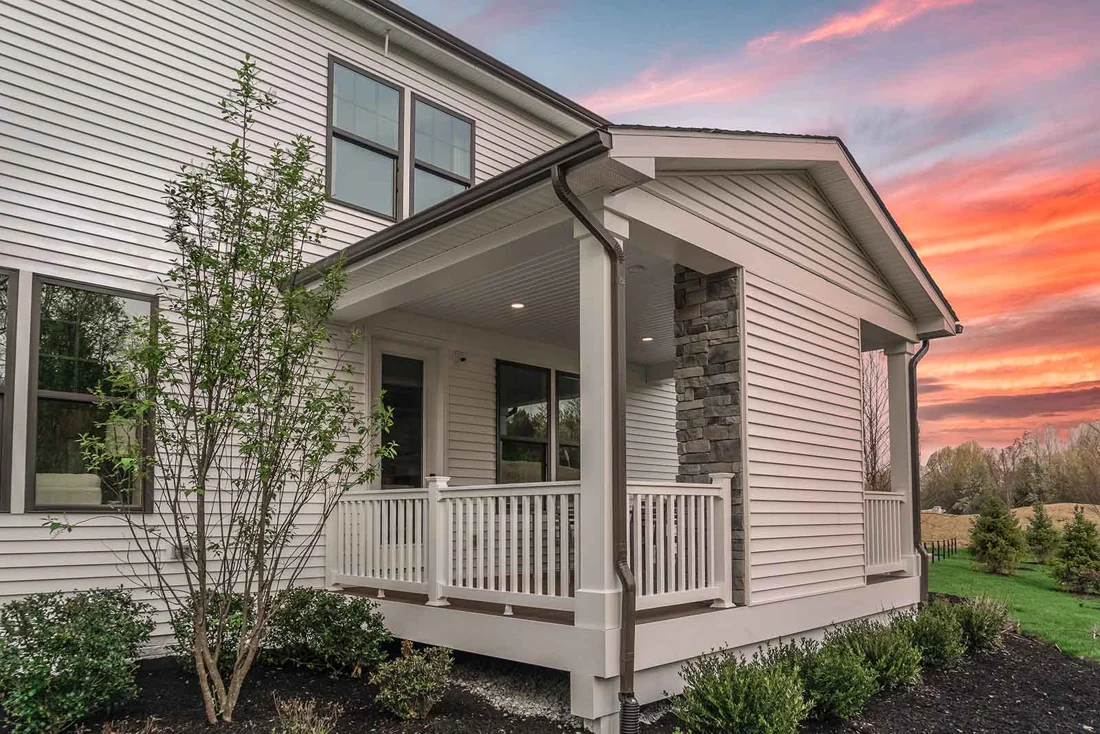
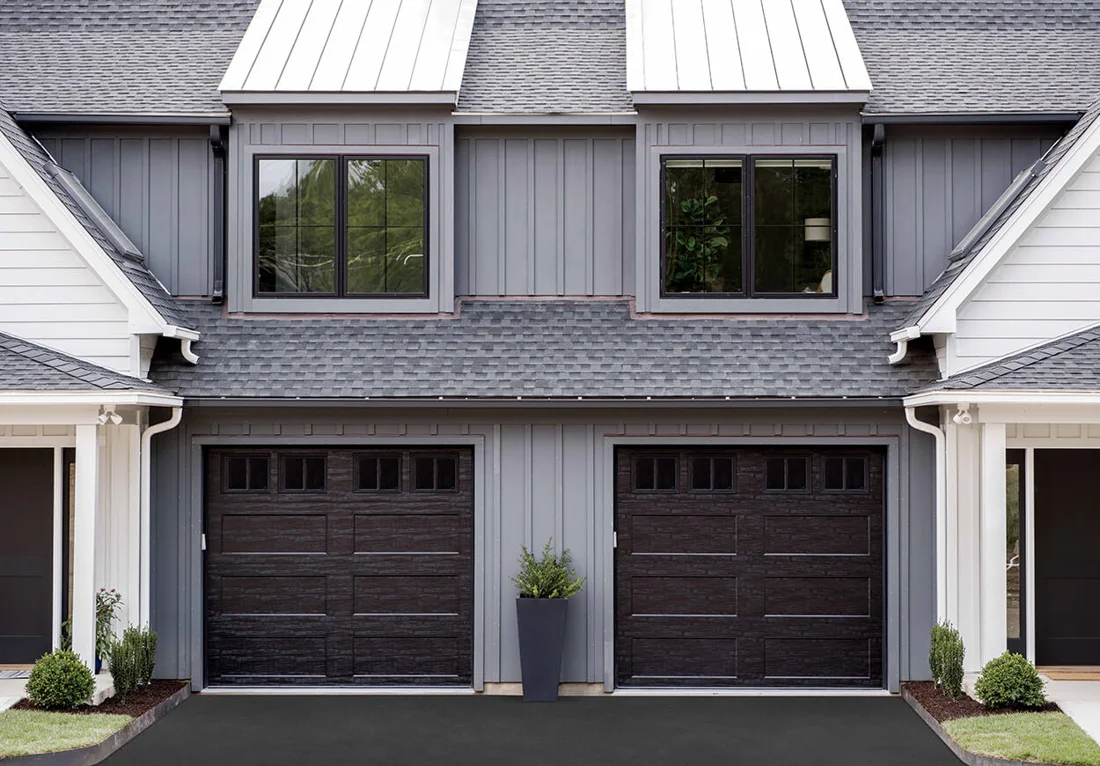
Also discuss visible details: trim width, color, sill appearance and how the siding meets the surround. A technically coordinated project can still disappoint if the homeowner pictured a different frame around every window. Review the intended appearance before work starts.
Plan decisions before deliveries
Ask which window information the siding team needs before it can confirm materials and details. Identify the date by which selections must be approved, and who communicates a substitution or delay. Keep the current product information and drawings together so everyone is working from the same set.
Discuss access and protection during the work, including how the household will be informed when a particular area is active. If the remodel is phased, ask what is completed at each stage and what is intentionally left for a later phase. Temporary arrangements should be explained rather than assumed.
Keep the budget comparison honest
Check for duplicated trim work, omitted finishing or an allowance that appears in only one proposal. Ask how a change caused by concealed conditions will be documented and approved. A clear interface between scopes makes the combined budget easier to understand.
Tremor’s role in this conversation is siding installation; do not assume window replacement is included unless a written proposal specifically establishes that scope. If you already have a window contractor, say so when you send your project inquiry. Include your location, the stage of the window decisions and the timing you are considering. The goal is a coordinated exterior, with responsibilities settled before the two projects meet on the wall.
Bring your project into focus.
Tremor is based in Fall River and Kenosha, with work across Wisconsin. Share your location and the exterior work you have in mind.
Start a conversation