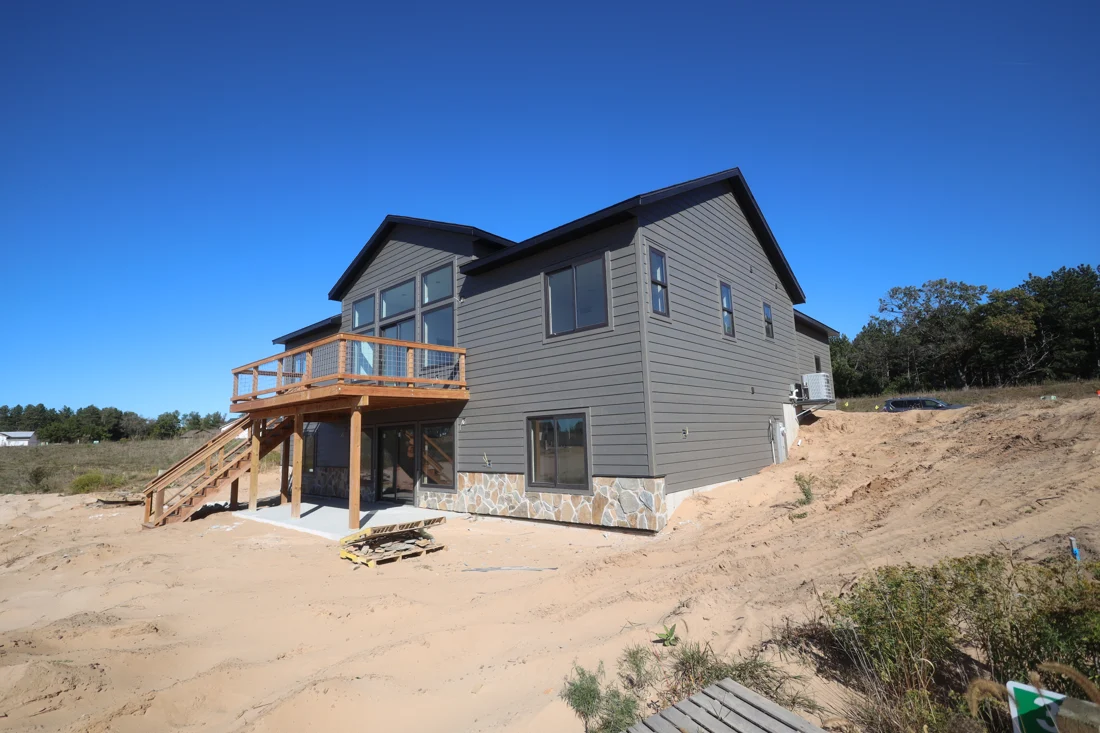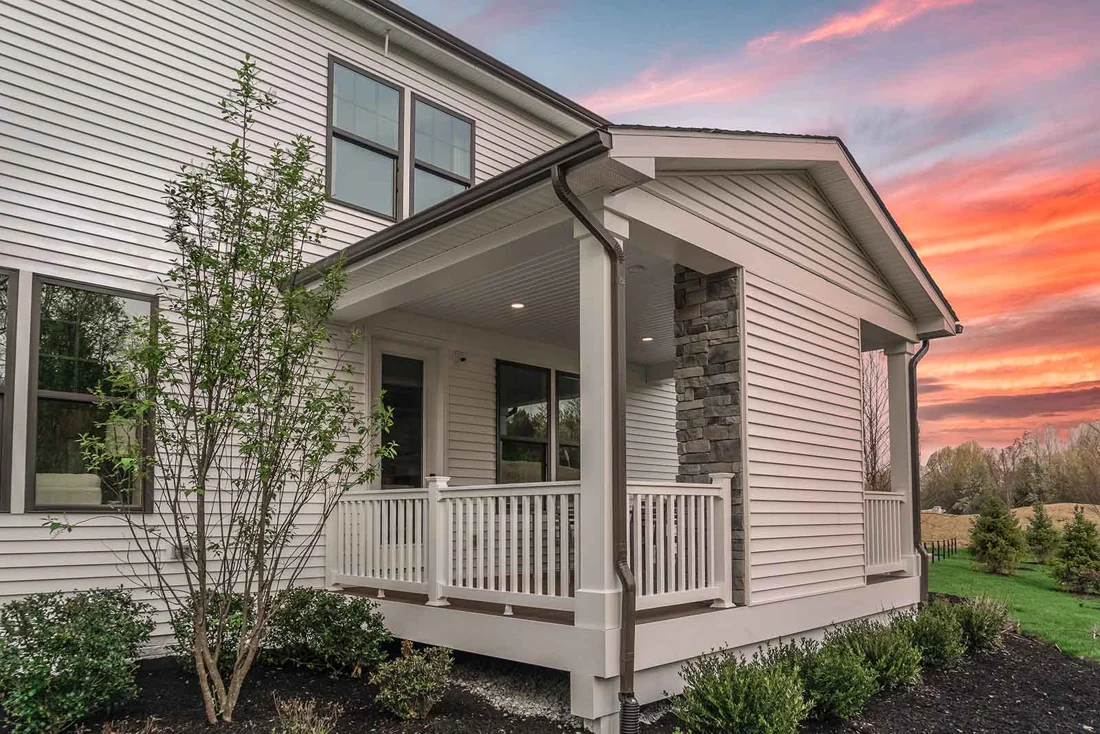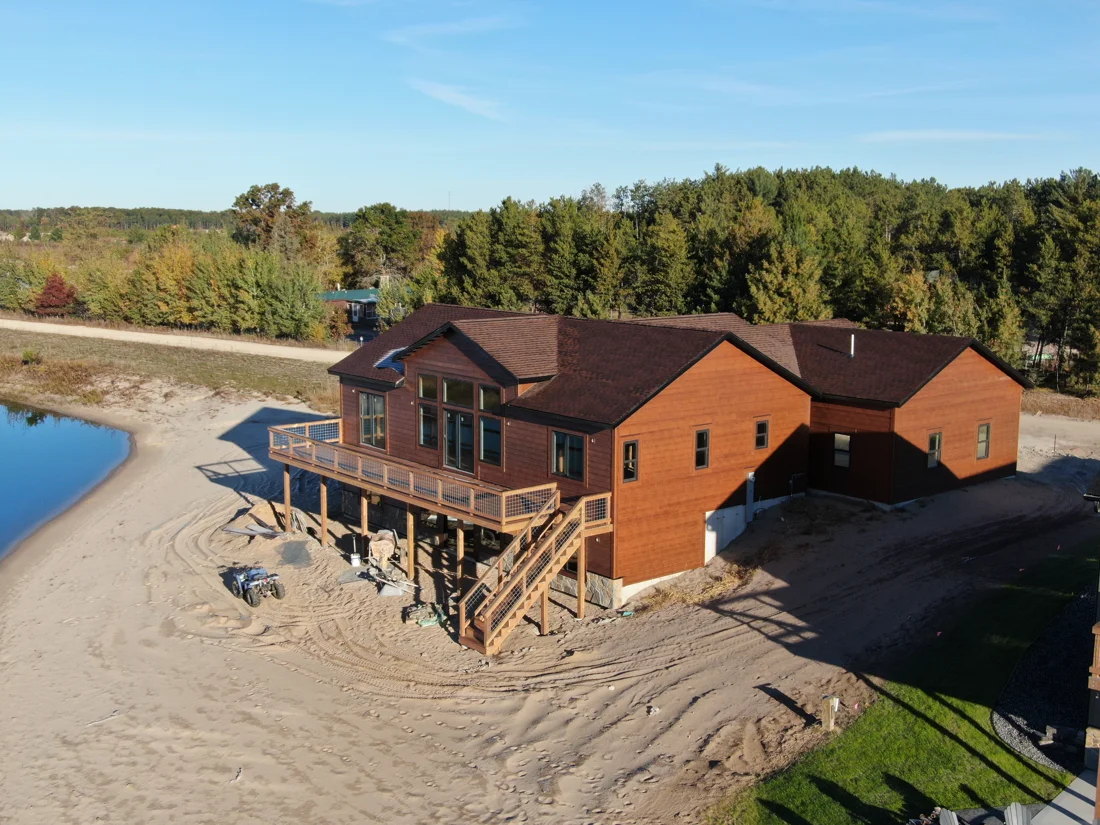

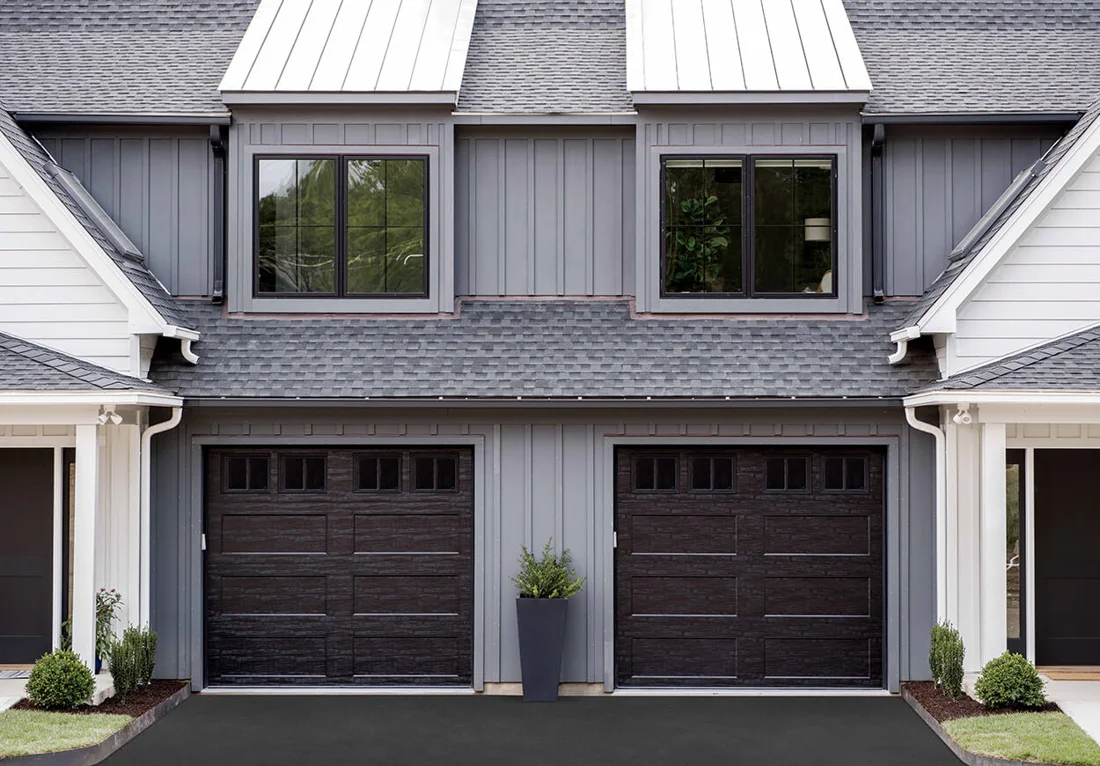
A siding estimate should help you understand the project you are buying. A total alone cannot tell you which elevations are included, what happens around windows, or how unexpected conditions will be handled. Before comparing prices, compare the work each proposal describes.
For homeowners preparing a siding project in Wisconsin, the most useful first step is a short written brief. Describe what you want to change, what concerns you have, and which parts of the exterior should stay. Share that same brief with every contractor so the proposals answer the same question.
Start with the boundaries of the work
Ask the proposal to identify the areas included: the entire exterior, particular elevations, siding, trim, or related gutter work. Have the contractor distinguish between removing existing material and work that will remain in place. If your project is a remodel, ask what can be evaluated before removal and what might only become visible afterward.
Clarify who documents a newly discovered issue, how proposed additional work is priced, and when you will approve it. A clear change process is more useful than an assumption that nothing unexpected can happen.
Name the material and the details
A useful specification goes beyond a brand name. Request the proposed product, profile, texture, finish and color, along with the trim approach. Ask how corners, openings and transitions to other materials are included in the scope. These details also shape the appearance: narrow trim and broad trim can give the same house very different proportions.
If you are still choosing, ask which decisions must be made before the proposal becomes final. Separate genuine alternatives from allowances. That makes it easier to understand whether two proposals describe the same finished exterior or two different designs.
Make the practical arrangements visible
Discuss site access, material deliveries, parking, outdoor furniture and landscaping before work starts. Ask what protection, removal and cleanup the proposal includes. Note any household requirements, such as an entrance that must remain usable or a work-from-home schedule that needs discussion.
Ask who your point of contact will be and how schedule changes will be communicated. Treat a proposed start window and the duration of on-site work as separate questions. Neither should be inferred from an attractive price.
Read exclusions as carefully as inclusions
Request written clarification of anything marked “by owner,” “excluded” or “allowance.” Ask for the applicable product warranty information and any separate workmanship terms. Keep those documents with the final specification rather than relying on a verbal summary.
You do not need to become an installer to make a good decision. You need enough clarity to explain what is included, what remains undecided, and what would trigger a change.
Bring a useful brief to the first conversation
Tremor is based in Fall River and Kenosha, Wisconsin. When you request an estimate, include your project city, whether this is new construction or a remodel, your desired timing, and a few sentences about the work. If you are unsure which material or scope fits, say so. That is a useful starting point, not a missing requirement.
Bring your project into focus.
Tremor is based in Fall River and Kenosha, with work across Wisconsin. Share your location and the exterior work you have in mind.
Start a conversation