
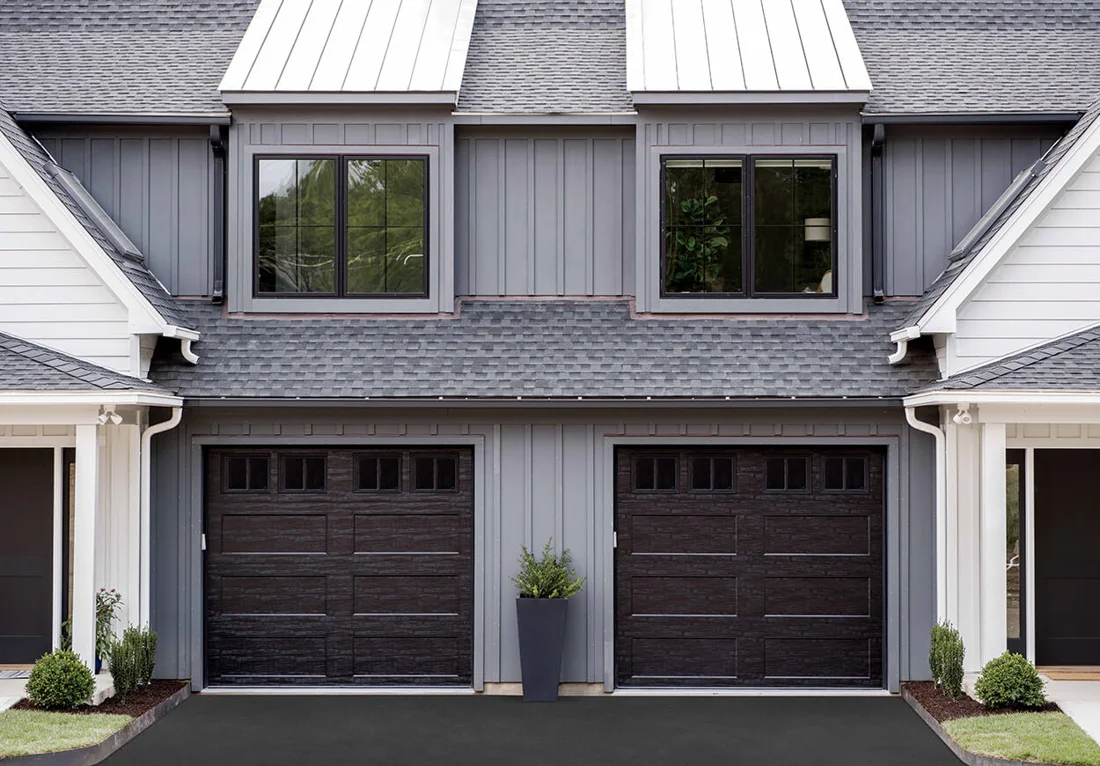
Comparing engineered wood and fiber cement siding is easier when you stop looking for one universal winner. Start with the exterior you want, the building you have, and the complete scope being proposed. A material name is only one part of that decision. The profile, finish, trim design and installation details deserve equal attention.
For a Wisconsin homeowner, the useful question is not simply which material looks better online. It is which specified system fits the project and which contractor can clearly explain its requirements. Tremor specializes in installing LP SmartSide; a comparison should still give you a clear picture of the alternatives you are considering.
What the materials are
LP SmartSide is engineered wood: LP describes wood strands or fibers treated with waxes, resins and zinc borate, with a protective overlay. Fiber cement is a different material family. James Hardie describes its siding as a combination of Portland cement, sand, cellulose fibers and water, with other additives. Those differences make product-specific installation and finishing instructions important; composition alone does not tell you which complete exterior is right for your home.
Material references: LP’s SmartGuard overview and James Hardie’s material FAQ.
Compare actual products
Ask each bidder to name the exact product and finish. Do not compare a primed option awaiting painting with a fully finished proposal as if the two totals covered identical work. Request the proposed trim, corners, accessories and treatment around openings. These are visible parts of the finished building, not incidental extras.
Write a short comparison sheet with a column for each proposal. Include removal, preparation, siding, trim, finishing, cleanup and exclusions. Leave a blank where the proposal is silent. A blank is a question to resolve, rather than evidence that an item is included or unnecessary.
Look at the elevation, then the sample
Place real samples beside the roof, masonry and windows that will stay. Look at them outdoors from a few feet away and from the distance at which you normally approach the home. Consider whether the proposed texture and joint pattern support the architectural character you want.
A narrow sample cannot show an entire wall. Ask how the selected profile will meet corners and openings, and how transitions between materials will be drawn. A plain elevation sketch can reveal more about the intended result than a collection of unrelated inspiration photographs.
Make ownership part of the choice
Request the current manufacturer care guidance and warranty documents for each exact product. Compare the responsibilities described in those documents, including finish care and any conditions relevant to your property. Separate product coverage from the contractor’s written workmanship terms. Avoid relying on remembered warranty lengths or a salesperson’s shorthand.
Ask who handles future questions, what records you should keep, and whether the finishing scope involves another company. A clear answer is valuable even when two options appear similar from the street. The ability to maintain the exterior should be part of the initial conversation.
Decide using your priorities
Choose three priorities before comparing estimates: perhaps a particular appearance, a complete written scope and a manageable project sequence. Rank them. This helps you see whether an attractive option actually answers your brief, instead of allowing a single headline feature to dominate the decision.
When you contact Tremor, share your location, photographs of the existing exterior and the alternatives you are considering. Ask for an LP SmartSide proposal that identifies the product and details clearly. A useful comparison ends with a documented choice you understand, rather than a claim that one category wins every possible project.
Bring your project into focus.
Tremor is based in Fall River and Kenosha, with work across Wisconsin. Share your location and the exterior work you have in mind.
Start a conversation