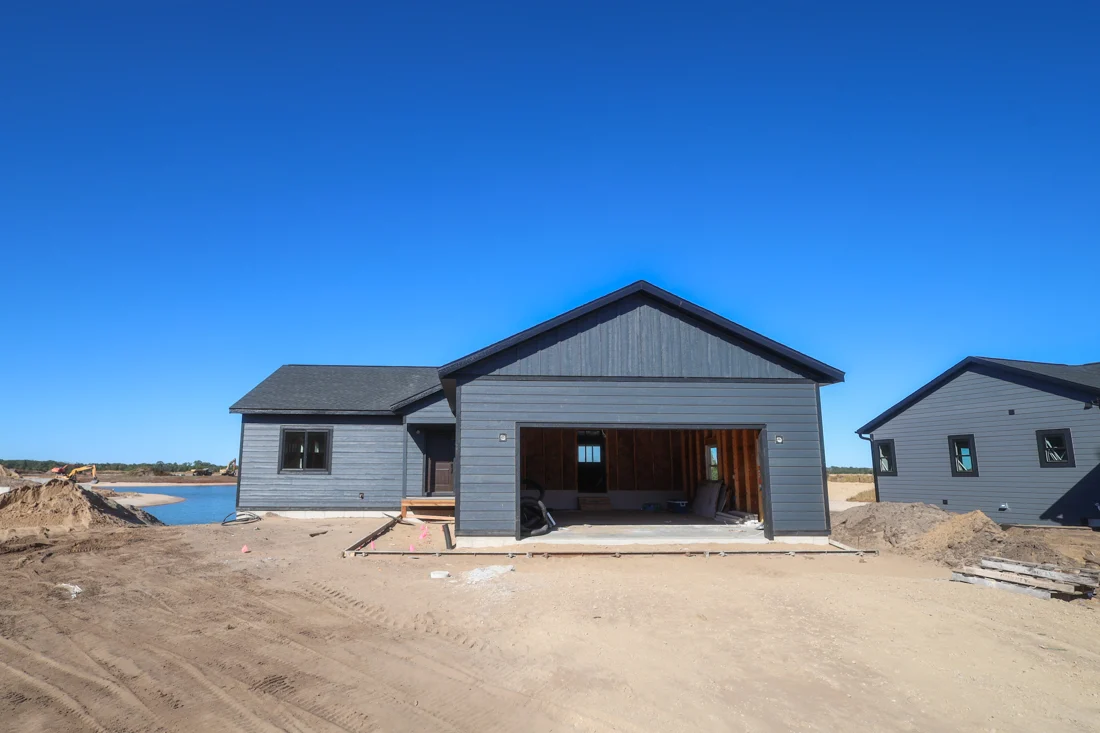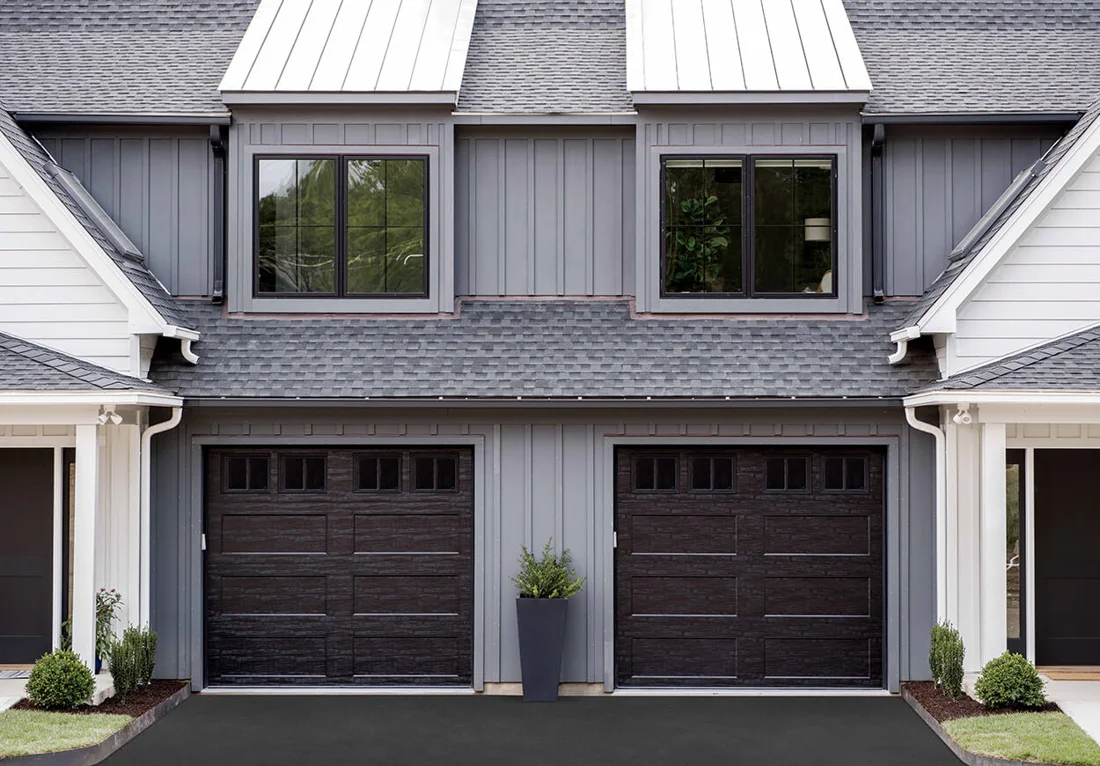

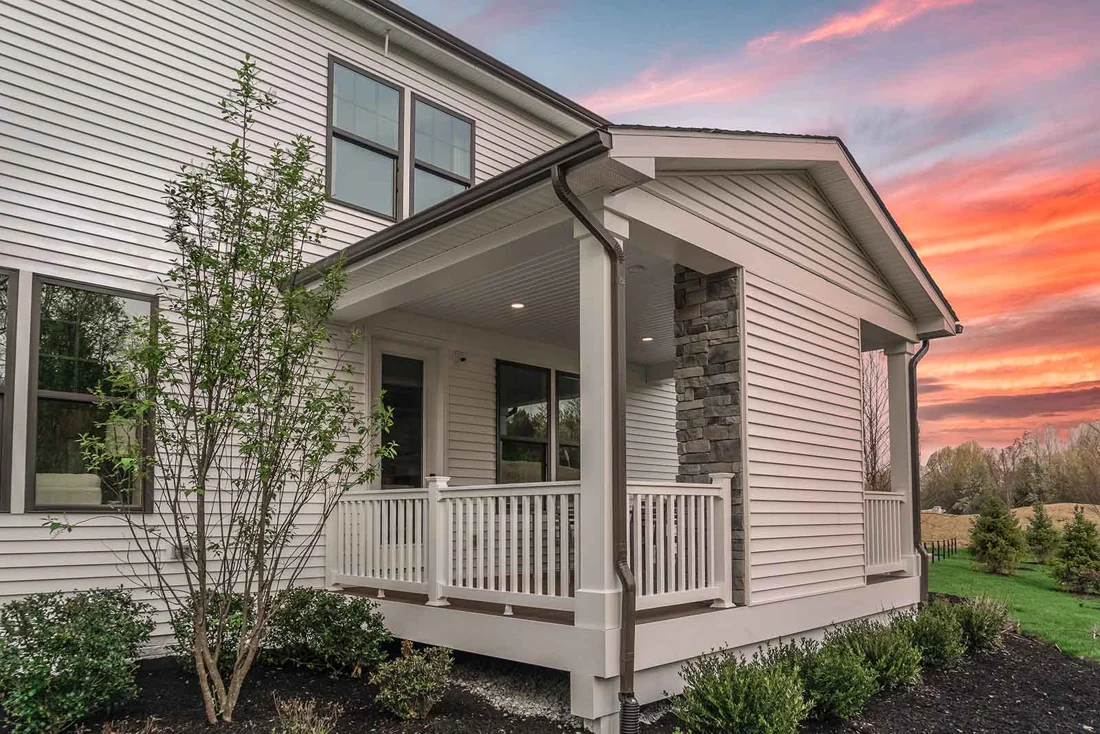
When you look at a house from the street, you see one exterior. A project proposal may divide it into siding, trim and gutters. Planning those decisions together helps you describe a more coherent result and makes the boundaries between separate pieces of work easier to discuss.
This does not mean every siding project requires new gutters. It means the first conversation should consider what exists, what you want to keep, and which parts of the exterior may need coordination. The right scope follows the assessment and your priorities.
Begin with what is working
Walk around your home and make two lists: elements you want to retain and concerns you want a contractor to review. Include observations rather than diagnoses. For example, “water comes over this corner during rain” is more useful than assuming a specific component has failed.
Photograph the area from the ground if you can do so safely, and explain when you notice the issue. A picture of the whole elevation provides context that a close-up alone may miss. Ask the contractor to review the condition and propose a scope rather than selecting a solution from a photograph yourself.
Decide how the lines should read
Siding direction, corner trim, fascia and downspout placement all contribute to the way an exterior looks. Collect a small set of references and identify what you like about each one: a quiet roofline, a strong horizontal rhythm, or trim that blends with the wall color.
Then test those preferences against your own house. Ask to see samples beside the existing roof and any masonry that will remain. Look at the combination outdoors. A material choice should belong to the whole elevation, including the elements that are outside this project’s scope.
Ask how the work will connect
If siding and gutter work are both proposed, ask who is responsible for each portion and how the sequence will be coordinated. Confirm whether existing components will remain, be removed and reinstalled, or be replaced. Have those decisions recorded in the proposal.
Discuss downspout locations and discharge as part of the review. Point out paths, patios, garden beds and other areas that matter to your household. Ask the contractor to explain the proposed arrangement rather than treating it as a detail to settle after materials arrive.
Include maintenance in the discussion
For LP SmartSide siding, LP advises keeping gutters functioning and avoiding direct sprinkler spray on the siding. Its care guidance connects ongoing water contact with finish and maintenance concerns. See LP’s siding care recommendations for the manufacturer’s advice.
Ask which maintenance documents apply to the exact products in your proposal. Keep the product names, finish information and care instructions together so future cleaning or repair decisions do not depend on memory.
Give the project one clear brief
Your brief can be simple: what you want the home to look like, which issues you want reviewed, what you hope to retain, and when you would like the work considered. Tremor’s siding and gutter services provide a starting point for that discussion. Include your city when you get in touch so project fit can be confirmed.
Bring your project into focus.
Tremor is based in Fall River and Kenosha, with work across Wisconsin. Share your location and the exterior work you have in mind.
Start a conversation