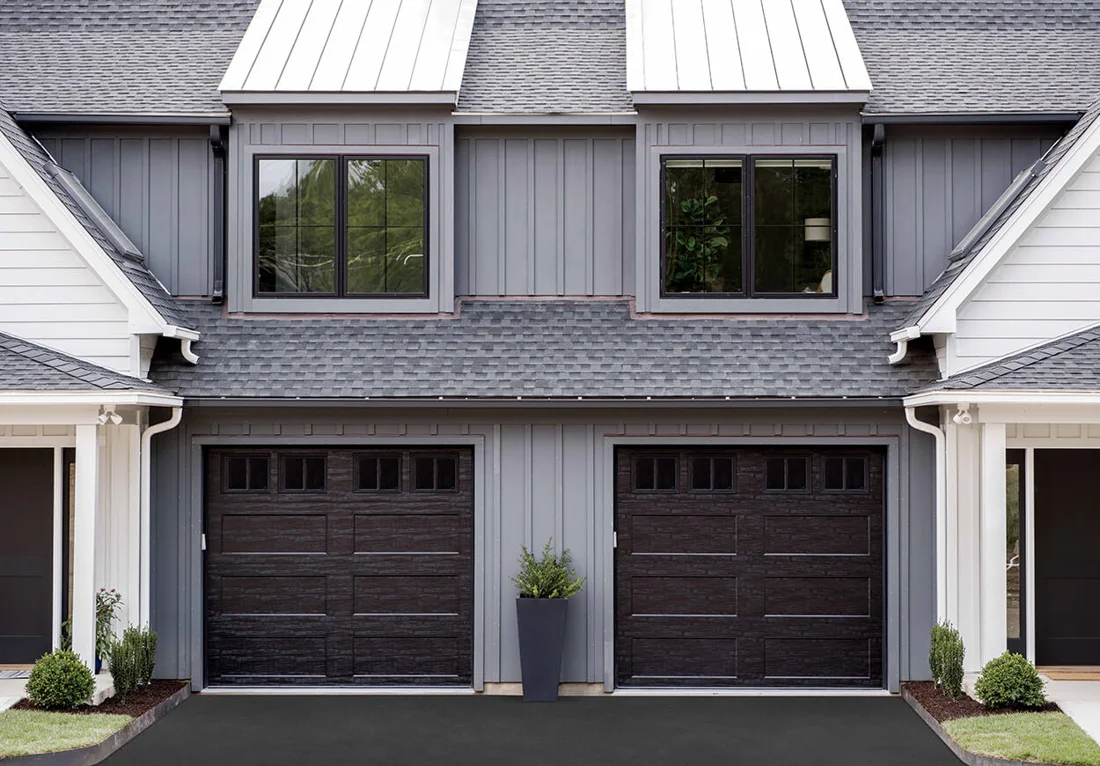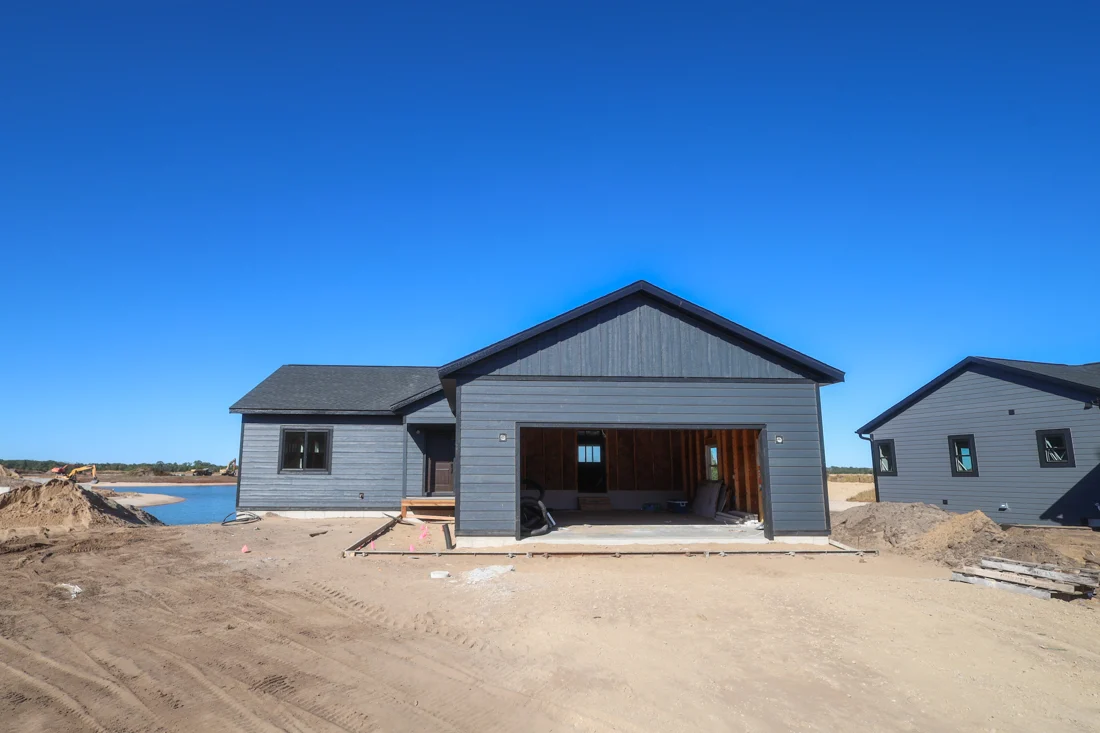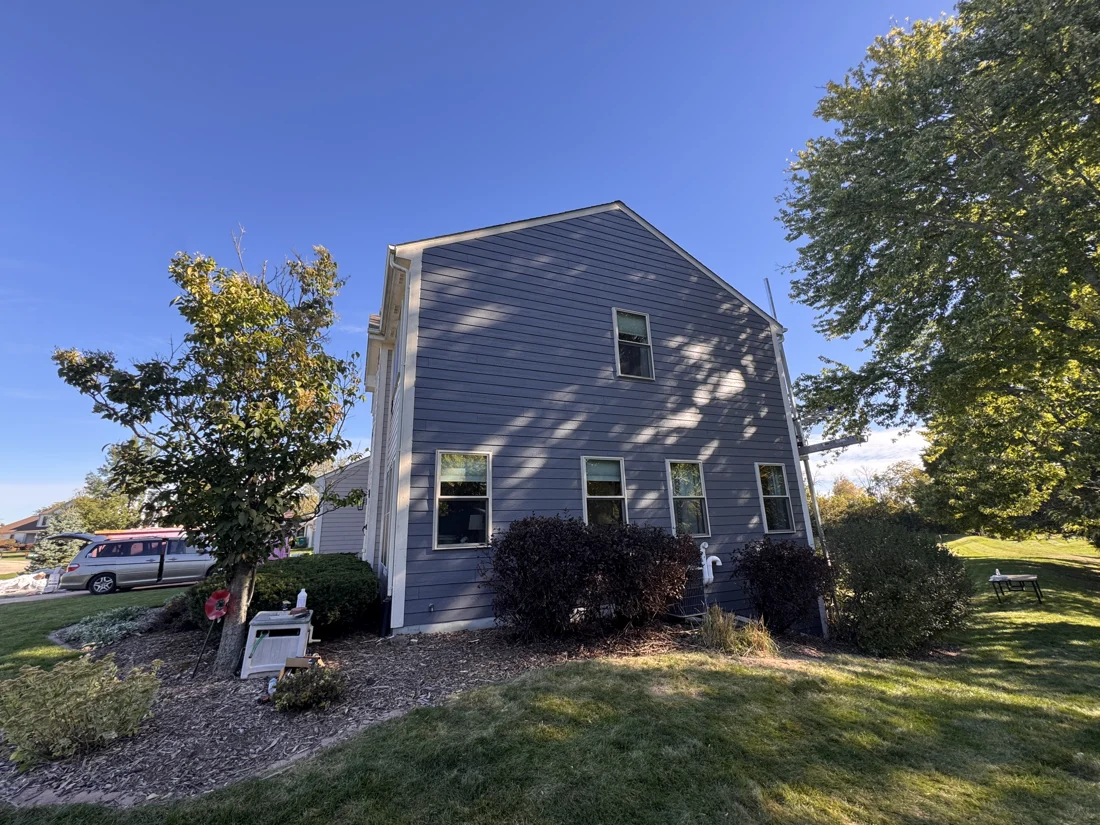

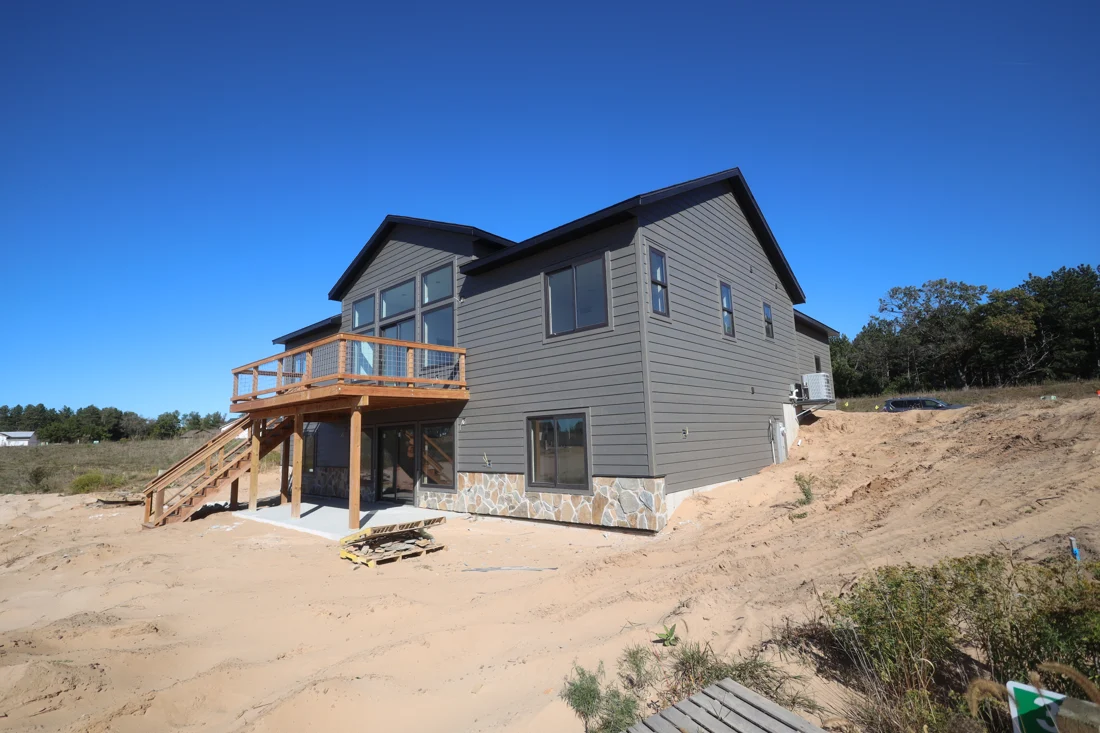
Choosing a siding finish is also a project-planning decision. A factory-finished product and a primed product intended for painting can lead to different selection and coordination conversations. Before comparing them, make sure your proposal describes the complete finished exterior rather than only the material being installed.
LP SmartSide is offered in primed products and the ExpertFinish prefinished range. LP’s product overview describes both options. Confirm the exact product and available finish for your project; a general brand name alone does not identify what will arrive on site.
Begin with the color requirement
Ask whether your preferred color is an available factory option or a custom selection requiring a different approach. If you are matching existing masonry or a retained addition, compare physical samples in outdoor light. Avoid approving a color from a screen and assuming the finished building will look identical.
Give every proposed combination a clear label: main siding, trim, accent and any other painted exterior element in the scope. This makes it easier to compare options without accidentally changing several variables at once. Keep the final selections with the accepted proposal.
Identify who completes the finish
For a field-painted proposal, ask who performs the painting and which preparation, coats and related tasks are included. Request a specification appropriate to the selected product and coating. Make sure exclusions are explicit, particularly when siding installation and painting are provided by separate companies.
For a factory-finished proposal, ask how the specified installation and finish details will be completed and reviewed. “Prefinished” should not be treated as a reason to leave the closeout process undefined. The contractor should explain the applicable product requirements without promising that the finish will never need attention.
Discuss dependencies and timing
Ask which selections must be approved before materials are ordered and what finishing work occurs after installation. If another contractor is involved, identify who coordinates readiness and communicates schedule changes. A shared sequence is more useful than two independent promises that assume the other trade has already finished.
Weather and site conditions should be part of that discussion without turning the estimate into a guaranteed calendar. Ask how the team will communicate a change, what work must wait and how completion is defined. Record any household access needs that could affect the sequence.
Compare complete scopes
Place the proposals side by side and check whether each includes the same elevations, trim and finished appearance. Identify allowances, unfinished areas and any work assigned to the owner. A lower material line does not tell you the total cost of achieving the intended result.
Ask for the relevant manufacturer care and warranty documents, plus any separate workmanship terms. Keep finish names and color information for future reference. If you are considering LP SmartSide, share your project with Tremor and explain whether a specific color or a particular completion sequence is driving the choice. The best finish decision is one that works visually and has a clear path from selection to final review.
Bring your project into focus.
Tremor is based in Fall River and Kenosha, with work across Wisconsin. Share your location and the exterior work you have in mind.
Start a conversation