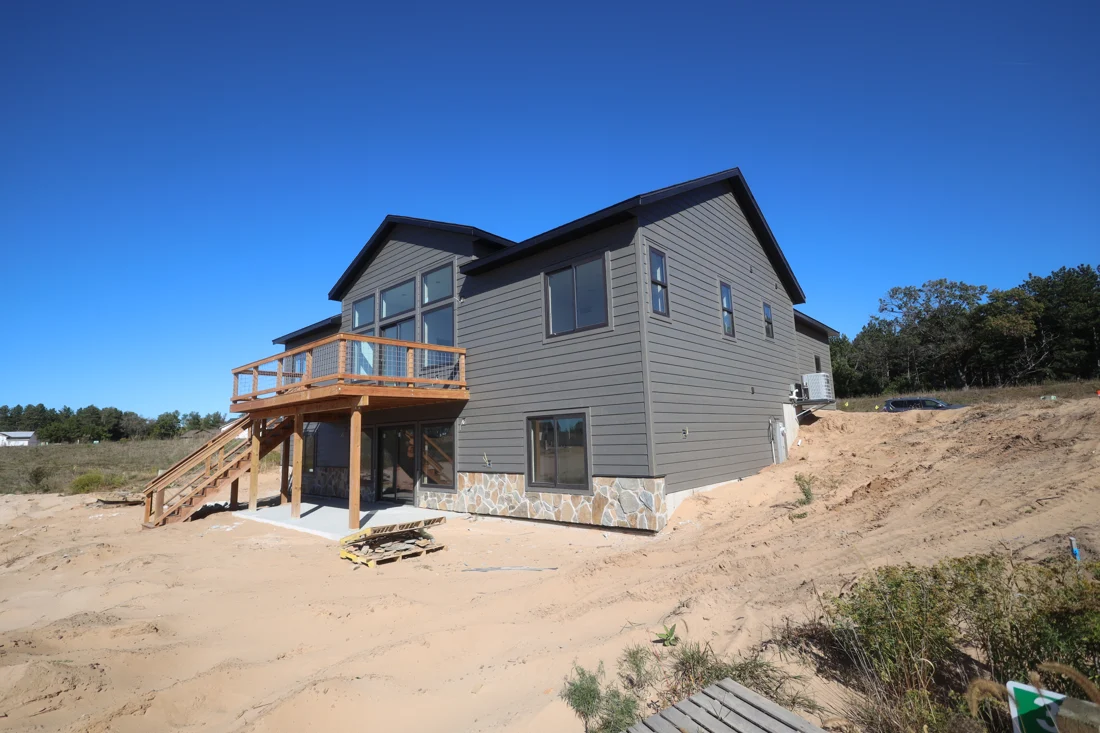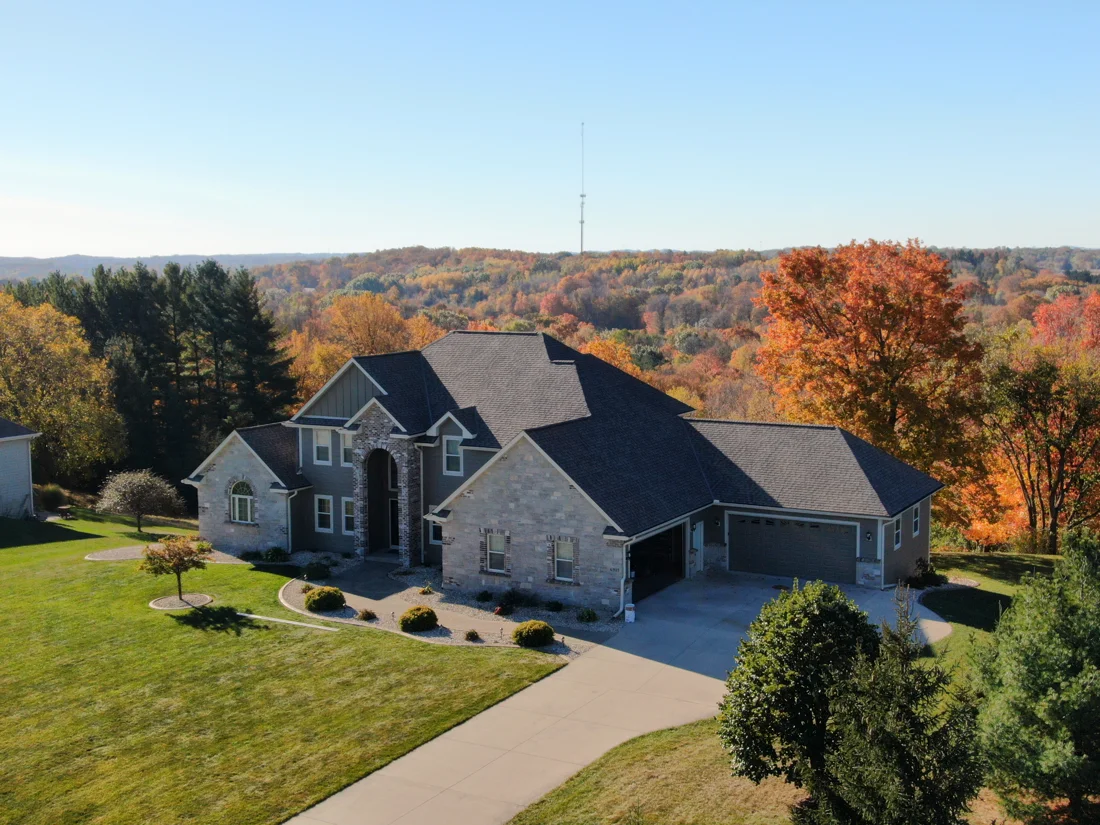

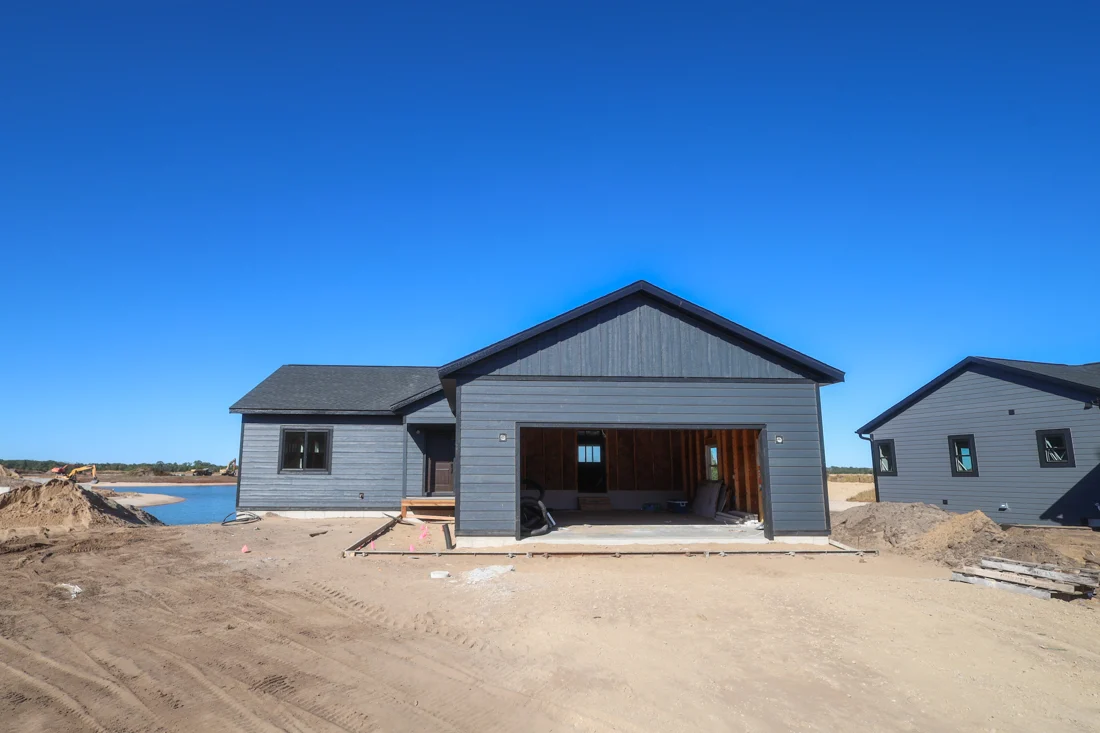
Siding texture is easy to underestimate when choosing an exterior. Color tends to get the first discussion, while texture is decided from a small sample or a product photograph. Yet the surface affects how a wall catches light and how the material relates to the other finishes on the building.
There is no single correct texture for a traditional or contemporary home. The useful task is to compare a specific smooth or textured product in the setting where it will be installed. The roof, windows, masonry and surrounding light all contribute to what you actually see.
Compare samples in the same conditions
Place the options beside each other outdoors, with the same orientation and similar color where possible. Look in direct light, then shade. Change your viewing distance. A texture that seems pronounced in your hand may read quite differently from the driveway, while a finish you barely noticed indoors may become clearer in raking sunlight.
Avoid choosing from photographs taken under unrelated conditions. One manufacturer image may be photographed in bright midday light and another on an overcast day. That makes it difficult to separate the material from the photography. Samples help you compare the surfaces more fairly.
Consider the surrounding materials
List the surfaces that will remain: brick, stone, roof shingles, window frames and any exposed concrete. Then ask whether you want the siding to echo their visual activity or provide a calmer background. Neither approach is automatically better; the important thing is to make the relationship intentional.
For example, if the entry already combines varied masonry and a detailed door, a quieter wall treatment might help those features stand out. On a simple elevation with few openings, a textured surface may provide a different kind of visual interest. Test both ideas before assuming the house needs more contrast.
Specify more than the word smooth
Product names matter. LP identifies Brushed Smooth and cedar-texture options within its siding range; availability depends on the product selected. Check the current LP SmartSide catalog and confirm the combination proposed for your project. Do not assume every profile and accessory comes in every finish.
Ask to see the siding and trim together. Decide whether their surfaces should match or differ, and record the selection clearly. A conversation that ends with “the gray smooth one” leaves too much room for misunderstanding when multiple products are involved.
Make a simple approval record
Keep the approved product names, color references and sample photographs in one place. Photograph the samples beside the existing exterior for context, while remembering that a phone image is not a color standard. Confirm who will approve any proposed substitution before materials are ordered.
If you are planning a Wisconsin siding project, tell Tremor what you want the exterior to feel like: crisp, quiet, warm or more expressive. Bring the actual samples into that conversation. Texture is most useful when it supports the entire building, rather than becoming one more independent choice on a long selection list.
Bring your project into focus.
Tremor is based in Fall River and Kenosha, with work across Wisconsin. Share your location and the exterior work you have in mind.
Start a conversation